Redwork Flowers: A Craft Fair Designer’s Honest Review
First Impression: Cute, Detailed, and Instantly Recognizable
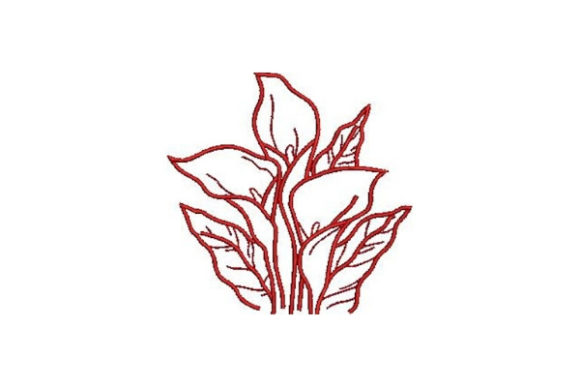
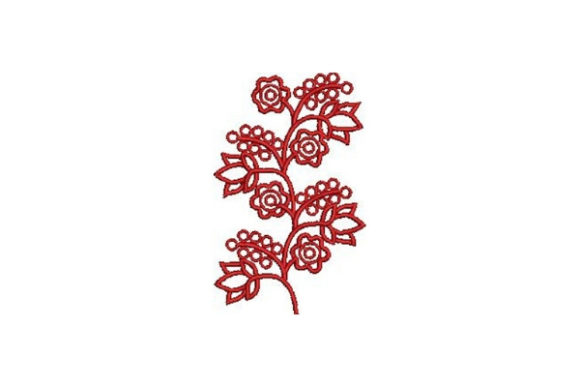
As an embroidery designer who’s curated over 200 craft fair booths in the past decade, my gut reaction to Redwork Flowers is immediate: it’s charming without being cutesy, detailed without feeling fussy, and classic without leaning into cliché. The name alone signals tradition—redwork evokes hand-stitched heirlooms, farmhouse kitchens, and quiet Sunday afternoons—but this isn’t a nostalgic relic. It’s a clean, confident Outline Flowers design built for today’s handmade market. Customers at a busy fair don’t pause to read descriptions—they respond to mood first. And Redwork Flowers delivers warmth, approachability, and subtle sophistication all at once.
Where It Shines: Real Craft Fair Product Applications
In my booth setup—tote bags stacked beside aprons, tea towels draped over wooden crates, embroidered patches pinned to a fabric wall—Redwork Flowers stands out strongest on three items: tea towel embroidery, embroidered patch applications, and small-format tote bag design. On a natural linen tea towel, the redwork outline pops against off-white or oatmeal fabric with zero background fill, letting texture breathe. As a patch, it transfers beautifully onto denim, canvas, or twill—ideal for Etsy sellers bundling “make-your-own” kits or small shop products with instant personality. On a medium-sized tote (13" x 15"), placed just below the handle seam, it reads clearly from six feet away—neither overwhelming nor lost.
It works solidly on aprons (centered above the pocket), pillow covers (top-corner accent), and fabric pouches (centered front panel)—but I’d avoid it as the sole design on curved surfaces like caps unless scaled down to 2.5" max. The delicate stems and petal outlines hold up well on flat, stable fabrics but risk distortion or skipped stitches on high-curve, low-stretch cap fronts.
What Makes It Sell: Visual Clarity & Emotional Hook
Redwork Flowers succeeds where many floral designs fail: it’s instantly legible at a glance. No dense fill areas, no micro-lettering, no overlapping elements that blur when stitched small. That makes it ideal for printable mockups (Etsy listings convert better with crisp, uncluttered visuals) and booth samples (customers intuitively understand its use case). Its simplicity also supports batch production—consistent tension, reliable stitch density, and minimal thread changes mean faster turnaround for commercial embroidery runs.
Visually, it elevates perceived value. A plain cotton market bag becomes a curated handmade product with this single motif. It reinforces brand consistency for boutiques focused on organic, slow-made aesthetics—and draws sustained attention at craft fairs because it feels intentional, not generic. Buyers engage more when a design tells a quiet story: care, craftsmanship, continuity. Redwork Flowers does that without shouting.
Careful-Use Notes: Protect Your Production Integrity
Even lovely designs have limits—and skipping these checks risks wasted time, thread, and reputation:
- Dense stitch areas? Not in this file—but confirm before stitching. Outline-only styles like Redwork Flowers should avoid tight corners or nested curves that cause thread nesting.
- Tiny details? Yes—especially stamen lines and slender vine tips. Test on your target fabric: they’ll vanish on heavy terry cloth or highly textured toweling.
- Dark fabric? Redwork traditionally uses red thread on light fabric. If using black or navy thread on dark fabric, verify contrast in person—not just on screen. A printable mockup won’t reveal how much detail disappears.
- Small sizes? Below 2.75", petal definition blurs. Use it as a focal motif—not a border repeat—at craft fairs where visibility drives impulse buys.
Designer-to-Designer Production Checklist
Before cutting your first fabric piece, run through this practical list—every item impacts your bottom line and customer satisfaction:
- Test the machine embroidery design on scrap fabric matching your final product (e.g., flour-sack cotton for tea towels, midweight canvas for totes).
- Check thread colors against your fabric swatches—natural light reveals dullness or glare that studio lighting hides.
- Review spacing between elements: Are stems too close? Will stitching pull adjacent seams on pouches or pillow covers?
- Confirm hoop size compatibility with your frame setup—no last-minute hoop swaps mid-fair prep.
- Inspect stitch density: Too sparse = fragile; too tight = stiff, puckered results. Outline flowers should feel fluid, not rigid.
- Choose the right stabilizer: Tear-away for stable wovens, cut-away for knits or stretchy apron ties.
- Create at least one real, photographed finished product—not just a digital mockup—to assess scale, drape, and buyer appeal.
- Compare how it looks across three fabric colors (cream, oat, charcoal) to ensure versatility for your product line.
- Verify commercial licensing before selling any handmade product featuring this digital embroidery file. When in doubt, contact the creator directly—reputable designers clarify terms fast.
Final Thought: A Quiet Workhorse for Your Creative Business
Redwork Flowers isn’t flashy—but that’s its strength. In a sea of glitter, script fonts, and maximalist motifs, it offers calm authority. It’s the kind of Embroidery design that sells repeatedly at craft fairs because it feels personal without being precious, timeless without being dated. Whether you’re an Etsy seller building a cohesive collection, a boutique maker sourcing standout craft fair product assets, or a Cricut + embroidery hybrid crafter expanding into stitched goods—it’s versatile, trustworthy, and quietly premium. Just remember: its power lies in restraint. Let the outline breathe. Choose your fabric wisely. And always, always test before you commit.