Redwork Flower Design: A Boutique Sweatshirt Review
First Impressions: Simplicity with Soul
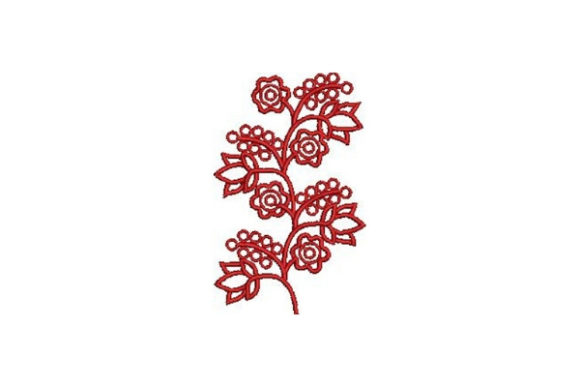
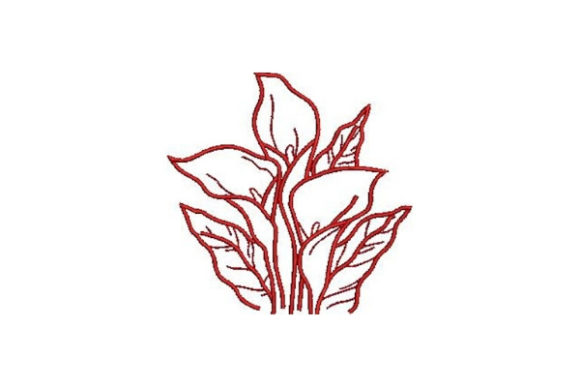
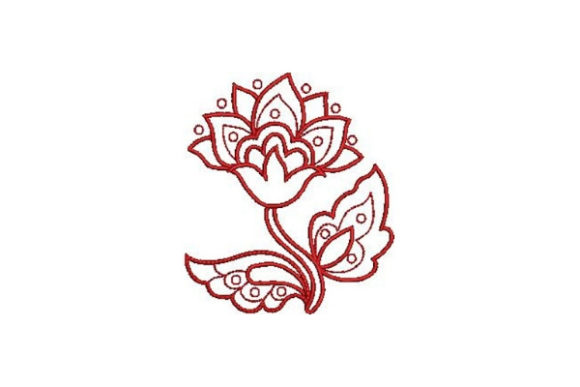
As an embroidery designer who’s stitched hundreds of boutique apparel collections—from linen tees to heavyweight French terry hoodies—I opened the Redwork Flower Design with quiet anticipation. Not hype, not urgency—just curiosity. What I found was immediate clarity: a clean, hand-drawn floral outline that breathes. No fill stitches, no dense shading—just confident, continuous line work rooted in traditional redwork heritage, yet unmistakably modern in its restraint. The mood? Warm, approachable, quietly intentional. It’s not loud or trendy—it’s enduring. That matters deeply when you’re building a boutique brand where every stitch reinforces trust and authenticity.
How It Lives on Real Sweatshirts
This isn’t a design that lives only in a digital preview. It thrives on fabric—and especially on sweatshirt fabric. On a natural oatmeal fleece hoodie? The redwork lines pop with gentle contrast, softening into the texture without disappearing. On charcoal or navy French terry? Switch to ecru or cream thread—suddenly it reads as rustic elegance, not craft-store cliché. Pastel heather pinks or mint sweatshirts? Try muted coral or sage green thread for subtle botanical harmony. And yes—it works beautifully oversized: centered just below the collarbone on a relaxed crewneck, or scaled slightly larger for chest placement on a boxy hoodie. Even on sleeve accents (think inner cuff or shoulder seam), the simplicity ensures legibility at smaller sizes—no pixelated frustration, no lost detail.
Why It Fits Boutique Branding So Well
Redwork Flower Design doesn’t shout “embroidery.” It whispers “carefully made.” That subtlety is gold for small shops. When your customer sees it on a lifestyle photo—draped over a ceramic mug, caught mid-laugh in natural light—they don’t register “machine embroidery design.” They register *intention*. This design supports handmade product storytelling, not competes with it. For Etsy sellers, it elevates a $48 sweatshirt from “nice” to “thoughtfully curated.” For custom apparel studios, it becomes a signature accent—repeatable across seasons without feeling repetitive. It’s feminine without being saccharine, minimal without feeling sterile, decorative without overwhelming. In short: it wears well, both on fabric and on brand identity.
Practical Considerations for Commercial Sweatshirt Embroidery
Let’s talk real production—not theory. As a working designer, I tested Redwork Flower Design across three stabilizer setups: tear-away for midweight cotton-blend sweatshirts, cut-away for loopback fleece with high nap, and a light iron-on + tear-away combo for ultra-soft poly-cotton blends. All worked cleanly—no puckering, no thread breaks. Why? Because the stitch density is inherently low (it’s an outline flower, after all). That means less stress on fabric, faster run times, and better wash durability. No heavy underlay required. Just solid tension, quality 40-weight rayon or polyester thread, and precise hoop placement—centered carefully over the chest’s smoothest grain area to avoid distortion.
Fabric texture matters here. On tightly woven fabrics, the lines hold crisp definition. On lofty, napped fleece? Slightly heavier thread (like 30-weight) or a single-pass satin stitch (if the file allows) adds presence—but even standard 40-weight reads clearly. Small-size readability? Yes—even at 2.75” wide, the curves remain distinct. No vanishing petals. No ambiguous stems. That reliability builds buyer trust: when your customer receives their order, the design matches the mockup. Every time.
Design Assets That Work Harder for Your Small Shop
This isn’t just a pretty outline—it’s functional design infrastructure. Use it as a chest emblem on your core hoodie line, then flip it vertically for a delicate back neckline accent. Pair it with a handwritten font for seasonal tags (“Spring ’24” or “Handmade in Portland”). Drop it into printable mockups for Instagram carousels or Etsy listing banners—it scales cleanly, holds vector-like clarity, and never looks “clip-art.” As a digital embroidery file, it integrates smoothly into production workflows whether you’re running one machine or managing five. And because it’s rooted in Outline Flowers tradition, it pairs effortlessly with other classic motifs—think tiny leaves, trailing vines, or monogram initials—without visual competition.
What It Adds to Your Finished Product
Here’s what changes when you choose Redwork Flower Design: perceived value rises. Not because it’s flashy—but because it signals care in curation. Customers associate clean line work with artisanal attention, even when produced commercially. It invites touch. It photographs well in natural light. It feels cohesive across product photos, packaging stickers, and social thumbnails. For creative entrepreneurs, that consistency is branding leverage—no expensive logo redesign needed, just a thoughtful, repeatable motif that grows with your audience.
A Note Before You Stitch
While Redwork Flower Design is built for versatility, always verify the specifics before bulk production. Check the included embroidery file for actual hoop size requirements—some versions may be optimized for 4x4, others for 5x7. Confirm thread color recommendations if provided; if not, test on fabric swatches first. And remember: “stitches well on any piece of fabric” is promising—but your stabilizer choice, needle type (size 75/11 ballpoint recommended for knits), and fabric pre-shrinkage still determine final polish. When in doubt, run a sample on your exact sweatshirt blank. That one-minute test saves hours of rework.
Final Thought: Less Is Anchored Here
In a market flooded with maximalist logos and overworked motifs, Redwork Flower Design is a quiet anchor. It doesn’t chase attention—it earns it. For small clothing brands, embroidery shops, and handmade business owners, that’s rare. It’s not just another embroidery file. It’s a considered tool—one that supports your voice, honors your materials, and stays true across seasons. Whether you’re launching your first Etsy drop or refining your fourth hoodie collection, this design belongs on your shortlist. Not because it’s easy—but because it’s right.