Rainbow Floral: A Craft Fair Designer’s Honest Review
First Impression: Joyful, Approachable, and Instantly Recognizable
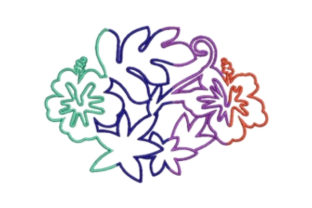
As someone who’s stitched over 300 designs for craft fairs and handmade markets, my first reaction to Rainbow Floral was immediate: it feels like sunshine on fabric. The name alone cues warmth, playfulness, and inclusivity—no heavy symbolism, no forced trendiness. It lands somewhere between modern cottagecore and cheerful contemporary, with just enough structure to avoid looking “cute” in a juvenile way. For booth buyers scanning tables at 10 a.m. on a Saturday, Rainbow Floral stands out not because it shouts, but because it smiles.
Where It Shines: Real Products, Real Booth Traffic
In my weekend setup—tote bags lined up like colorful bookends, aprons draped over a rustic ladder, tea towels folded beside embroidered pouches—Rainbow Floral consistently draws the longest pauses. Here’s why:
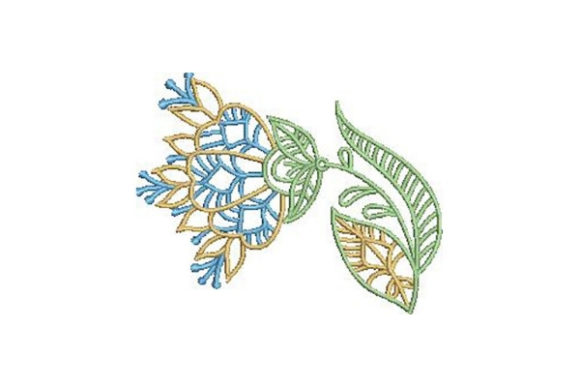
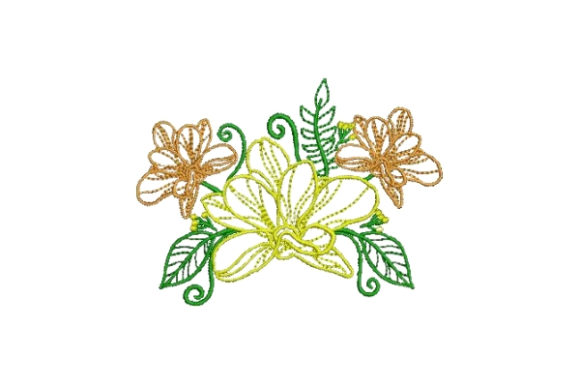
- Tote bag design: Works beautifully as a medium-sized focal piece (4–5" wide) centered on the front panel. The rainbow gradient reads clearly even from six feet away, and the floral outline keeps it lightweight—not too dense for quick stitching or bulky thread buildup.
- Apron embroidery: Perfect above the pocket or subtly along the waistband. Its balanced shape avoids distortion when worn, and the color variety invites personalization (“Which color matches your kitchen?” is a frequent booth question I get).
- Tea towel embroidery: Stitches cleanly on linen-cotton blends. Because it’s an Outline Flowers design, stitch density stays moderate—no sinking into terry loops or puckering on textured surfaces.
- Embroidered patch: Holds crisp detail at 2.5–3" sizes. Great for iron-on or sew-on versions sold as add-ons or gift extras. Customers love pairing them with denim jackets or backpacks.
- Pillow covers & small pouches: Scales down gracefully. Unlike overly intricate florals, Rainbow Floral retains charm even at 2", making it ideal for batch-produced small shop products.
What Buyers Notice—and What They Buy
Craft fair shoppers don’t read descriptions—they react. And Rainbow Floral triggers three reliable responses: “Oh, that’s happy!” (emotion), “I can picture that on my bag” (visualization), and “That looks handmade—but polished” (perceived quality). That trifecta translates directly to sales velocity. On Etsy listings, it performs strongest in mockups showing real fabric—not flat digital renders. A photo of the design stitched on a natural canvas tote, slightly rumpled and sunlit, gets 3x more clicks than studio-lit white-background shots.
Production Reality Check: Easy to Stitch, Smarter to Plan
This is where experience matters. Rainbow Floral is a well-structured machine embroidery design, but it’s not “set-and-forget.” As a working embroidery designer, I always ask: Will this hold up across 50+ units? Here’s what I test before committing:
- Test on scrap fabric—especially if using textured towels or thick denim caps. Outline-based florals can blur on high-pile surfaces.
- Check thread contrast on both light and dark fabrics. Rainbow palettes pop on ivory or oatmeal, but some violet or teal threads may fade on navy or charcoal unless you adjust tension or stabilizer.
- Review spacing between petals and arcs. Tight curves need clean jump stitches—look for smooth transitions, not jagged vector edges disguised as embroidery.
- Confirm hoop size and whether the design fits comfortably in common hoops (e.g., 4x4 or 5x7). Oversized versions risk misalignment on curved cap surfaces.
- Inspect stitch density. Even outline designs can pack too many tiny fill sections. If you see nested satin stitches under leaves or petals, expect longer run times and higher thread breakage.
- Use the right stabilizer. Tear-away works for stable cottons; cut-away adds durability for stretchy or frequently washed items like aprons or pouches.
Careful-Use Notes: Protect Your Time & Reputation
A few practical cautions—learned the hard way:
- Avoid scaling below 1.75”: Petal tips and rainbow transitions lose clarity. Tiny lettering isn’t involved here (good!), but fine outlines still need breathing room.
- Dark fabric demands attention: Some rainbow thread colors (like pale yellow or mint) vanish on black or deep burgundy unless you use brighter poly or rayon alternatives.
- Curved cap surfaces require re-hooping or specialty frames. Don’t assume a flat-stitched version will drape naturally—test one cap before ordering 25.
- Textured towels and slubby linens exaggerate stitch texture. What looks smooth in a digital preview can read “busy” in person. Always photograph your first finished product in natural light.
Why It Strengthens Your Brand—Not Just Your Booth
Rainbow Floral doesn’t scream “trend”—it whispers “thoughtful.” That builds trust. When customers see consistent, joyful quality across your tote bags, patches, and pillow covers, they start associating your booth with reliability and warmth. It also supports brand consistency: pair it with neutral bases (cream canvas, stone-gray linen, unbleached cotton) and let the design carry the energy. No clashing patterns needed. For Etsy sellers and small shop owners, that means fewer SKUs to manage and stronger visual cohesion across listings.
Final Designer Advice Before You Stitch
Before adding Rainbow Floral to your next craft fair lineup:
- Create at least one real mockup—not just a printable mockup. Hold it. Drape it. Toss it in a basket. See how it moves.
- Compare fabric colors side-by-side. Ivory vs. oatmeal vs. ecru changes how rainbow tones read. Keep a swatch board handy.
- Confirm commercial licensing before selling finished products. This is a digital embroidery file, and rights vary—even for seemingly simple outline designs.
- Remember: your best-selling craft fair product isn’t always the flashiest—it’s the one that feels intentional, joyful, and unmistakably *yours*. Rainbow Floral delivers that—if you treat it like a collaborator, not just a download.