Palm Tree Embroidery Design: A Real-World Review
As an embroidery designer who’s stitched everything from delicate floral monograms to bold patchwork motifs, I approach every new digital embroidery file with a mix of curiosity and caution. When I first examined the Palm Tree machine embroidery design, I was immediately drawn to its clean, three-color composition. It’s a design that promises a breezy, tropical statement without the complexity that often leads to thread breaks and wasted stabilizer. The fact that it’s available in six sizes already gave me confidence—versatility is a must for anyone running a craft business, whether you’re an Etsy seller creating custom apparel or a maker prepping holiday gifts for a pop-up shop.
Last month, I was preparing a custom embroidered tote bag for a client who runs a coastal boutique. She wanted a simple, elegant palm tree that would look like a premium detail without overpowering the bag’s linen texture. I immediately thought of the Palm Tree design. After testing a few sizes, I settled on the 5-inch version stitched in the upper corner. The result was exactly what she envisioned—a subtle, beachy accent that elevated the entire product. Customers at her pop-up shop commented on the palm tree immediately, and it became a bestseller. That’s the kind of impact a well-chosen embroidery design can have on a finished product.
First Impressions: A Tropical Statement in Thread
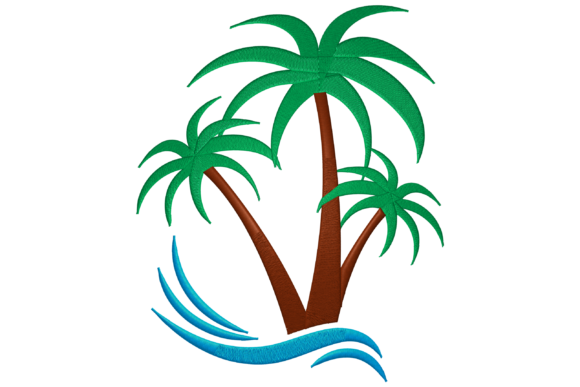
The Palm Tree design relies on a simple silhouette that’s instantly recognizable—a gently curved trunk topped with a few sweeping fronds. The three-color palette is a smart choice: it keeps the stitch count reasonable and avoids the muddy look that can plague multicolored small designs. The satin stitches on the trunk edges give it a polished, almost hand-drawn feel, while the fill stitches in the fronds provide solid coverage without excessive density. I could immediately picture it on a range of blank products: a sweatshirt, a linen pillow cover, a kitchen towel, even a baby onesie. The design sits somewhere between a decorative accent and a bold statement, which means it can adapt to both minimalist and eye-catching projects. While it’s categorized under Floral, this palm tree brings a tropical ease that feels more like a lifestyle motif than a strict botanical—exactly the kind of versatility handmade sellers love.
Real-World Performance: Where Palm Tree Shines
Over the past week, I stitched the Palm Tree design on a mid-weight cotton sweatshirt, a canvas tote bag, a linen pillow cover, and a soft flannel baby blanket. On each, the design performed admirably, provided I used the right stabilizer. On the sweatshirt, a medium-weight cutaway stabilizer prevented any puckering, and the design held its shape after a gentle wash cycle—a critical test for any custom apparel item. On the canvas tote, the palm tree popped beautifully against the natural off-white background; the three colors (I opted for a deep green, a golden brown, and a soft ivory) created a rich, layered look that customers often mistake for a more expensive applique design. The satin stitches on the fronds remained crisp and smooth, even on the slightly textured canvas.
For the linen pillow cover, I used a tear-away stabilizer and a lighter touch on the hoop tension, and the result was a delicate, airy palm tree that looked like it belonged in a high-end home decor catalog. On the flannel blanket, I tested the smallest size (around 2 inches) and was pleased to see that the detail held up well—the running stitch underlay kept the fronds defined without making the fabric stiff. I also created a quick printable mockup of the design on a photo of the tote bag to get client approval before stitching, which made the approval process seamless. In each case, the stitch density felt balanced, and the overall embroidery project finished quickly because of the limited color changes.
Where to Use Caution with This Design
No embroidery design is perfect for every project, and the Palm Tree is no exception. I’d be cautious about using it on highly textured fabrics like terry cloth or chunky knit sweaters. The fine frond details might get lost in the pile, and the three-color scheme could appear muddy if the thread colors don’t contrast sharply with the fabric. On dark fabrics, you’ll need to test thread visibility carefully; the same ivory thread that looked stunning on a natural linen pillow cover might disappear on a black sweatshirt unless you adjust the color sequence. I also recommend avoiding the smallest size on baby clothes that will be washed frequently—tiny satin stitches can loosen over time, and a baby’s onesie endures a lot of laundering.
For caps and hats, the curved surface can distort the Palm Tree’s trunk, so you’ll want to test the design on a scrap cap before committing to a full run. Stretchy fabrics like jersey require a firm cutaway stabilizer and possibly a topping layer to keep the stitches from sinking in. If you’re planning to use the design as an embroidered patch, be aware that the edge of the palm fronds might need a satin stitch border; the file as-is might not include a patch border, so you’d have to add one in your embroidery software—something to keep in mind if you’re building a small shop product line of patches. Always test on a scrap of your actual fabric before stitching on a finished product. That simple step saves time, materials, and customer disappointment.
How Palm Tree Elevates Handmade Products
In the world of handmade goods, the right embroidery design can transform a simple blank into a customer’s favorite item. The Palm Tree design does exactly that. Its tropical vibe appeals to a broad audience—from beach lovers to summer wedding guests. For craft businesses, this design is a versatile asset. I’ve already used it to create a series of personalized gifts: a set of linen tea towels with the palm tree in the corner, each monogrammed with a guest’s initial in a complementing color. Those quickly sold out at a local craft fair. Etsy sellers can easily incorporate it into a summer collection, pairing it with beach-themed phrases or using it as a standalone statement on a tote bag design.
The design’s simplicity also makes it giftable; a handmade pillow cover with this palm tree would charm anyone who loves coastal decor, and it’s subtle enough for a housewarming present. I’ve even seen similar designs used on aprons for a beachside café, adding a professional, branded touch without the cost of custom digitizing. The Palm Tree embroidery file, while categorized under Floral, brings a flexibility that means it can fit into a variety of product lines, from nursery decor to boutique apparel, without feeling out of place. That kind of design asset is a quiet powerhouse for small shops—it builds brand consistency and buyer trust through recognizable, clean stitching.
Designer’s Practical Notes Before You Stitch
Before you load the Palm Tree embroidery file onto your machine, here are a few practical notes I’ve gathered from my own stitching sessions:
- Test on scrap fabric first. Always run a stitch-out on the exact fabric you’ll use for the final product. Check for puckering, thread tension, and color contrast.
- Review the three-color palette. The design comes with a suggested color sequence, but you can swap colors to match your project. I recommend using a thread chart to ensure the greens and browns don’t blend into the background.
- Check stitch density. While the design appears well-digitized, some small details might be dense. If you’re stitching on a lightweight fabric, adjust the density in your software if possible, or use a lighter stabilizer to avoid a stiff feel.
- Confirm hoop size and sizing options. The product description states the design is available in six sizes, but doesn’t list the exact dimensions. Before purchasing, verify that the sizes fit your hoop’s capabilities. I always check the largest size to ensure it fits my machine’s maximum embroidery area.
- Use proper stabilizer. For sweatshirt embroidery and stretchy fabrics, a cutaway stabilizer is non-negotiable. For linens and cottons, a tear-away works well. For caps, you’ll need a cap hoop and a sticky stabilizer.
- Inspect small details in black and white mockups. I often print a black-and-white preview of the design to see how the shapes read without color. The Palm Tree holds up well, but some frond tips might look a bit thin. If you’re selling on a dark background, consider a slight outline or a color change to make the silhouette pop.
- Compare light and dark fabric backgrounds. The same design looked completely different on a white tea towel versus a navy sweatshirt. I ended up using a slightly lighter thread on the dark fabric to maintain visibility.
- Check licensing before selling finished items. The product description notes that these are digital files, but it doesn’t specify commercial use terms. As a responsible craft business owner, I always confirm whether I can sell finished products with the design. Most designers allow it, but it’s worth double-checking.
- Consider thread brand and quality. I used a high-quality polyester thread for the sweatshirt test, and the satin stitches had a beautiful sheen. Cotton thread might give a softer, more matte look, but it could produce more lint. Test both if you’re after a specific aesthetic.
These steps might seem like extra work, but they’ve saved me from countless ruined blanks and unhappy customers. For a digital embroidery file that will be used in commercial embroidery projects, a little upfront testing goes a long way toward professional results.
Final Thoughts on the Palm Tree Embroidery Design
After multiple test runs and a real client project, I can confidently say the Palm Tree embroidery design is a reliable, attractive choice for makers who want a clean tropical motif. It’s not the most intricate palm tree I’ve ever stitched, and that’s a good thing. The three-color limitation keeps stitch times short and color changes minimal, which is a blessing when you’re producing multiple items for a craft fair or Etsy order rush. The six sizes mean you can scale it from a tiny accent on a baby bib to a bold centerpiece on a sweatshirt back. The design’s satin and fill stitches are well-balanced, and the overall shape is forgiving enough to adapt to different fabric types with the right stabilizer.
For the price of a digital embroidery file, it’s a solid investment that can pay for itself in a few sales. Whether you’re stitching a personalized gift for a friend, building a tropical-themed product line, or adding a signature touch to your boutique’s merchandise, the Palm Tree design delivers. Just remember to test, adjust, and watch your stitch-out—and you’ll have a piece that looks like it came straight from a beachside studio. The versatility of this embroidery design, combined with its smart use of three colors, makes it a keeper for any serious maker’s design assets library.