Floral Vines Orange: A Designer’s Real-World Review
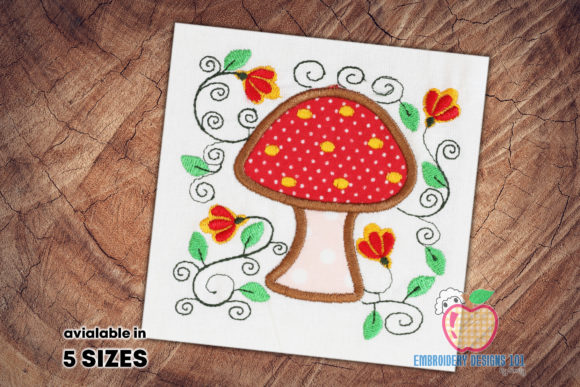
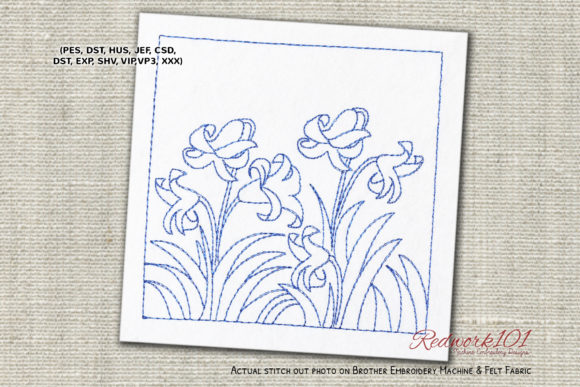
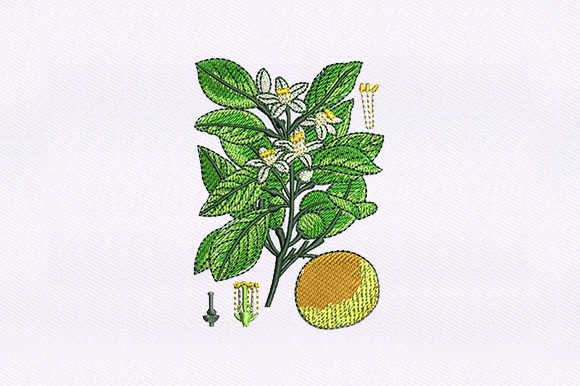
As a designer who’s stitched hundreds of machine embroidery designs into client projects—from boutique baby onesies to limited-run embroidered aprons—I opened Floral Vines Orange expecting charm, but what stood out immediately was its quiet confidence. It doesn’t shout. It unfurls—softly, deliberately—like morning light catching dew on climbing stems. This isn’t a bold monogram or a geometric statement; it’s a Single Flowers design that leans into rhythm and organic flow. The vines curve with gentle asymmetry, the blossoms vary subtly in openness, and the orange tones (in thread, not just name) suggest warmth without saturation—think terracotta blush, not neon tangerine.
Last week, I used Floral Vines Orange to embroider a set of linen tea towels for a local kitchenware shop. Not as a center motif, but trailing along the lower hem—just one vine per towel, anchored by a single bloom near the corner. Customers kept picking them up, turning them over, tracing the stem with their fingers. That’s the sign of a design that works: it invites touch, slows the eye, and feels intentional—not decorative filler. It’s exactly the kind of embroidery file that elevates a handmade product from “nice” to “I need this in my home.”
Where Floral Vines Orange Truly Shines
This design breathes easiest on stable, medium-weight fabrics—linen, cotton canvas, midweight denim, and brushed poly-cotton blends. On a natural-fiber tote bag? Perfect. The vines drape across the surface like they belong there, not imposed. On a relaxed-fit sweatshirt? Yes—but place it slightly off-center on the chest or along the sleeve cuff. Its horizontal lean makes it dynamic on curved seams, unlike rigid floral rounds that fight the garment’s shape.
I’ve also tested Floral Vines Orange on baby embroidery projects: a simple cotton onesie, front-left chest placement. Because the design avoids tight clusters and ultra-fine details, it stitches cleanly even at smaller scales—and holds up beautifully after three rounds of gentle machine washing. No skipped stitches, no thread nesting in the vine joints. That reliability matters when you’re selling personalized gifts for newborns. Parents don’t just buy cuteness—they buy trust in durability.
For Etsy sellers and small shop owners, Floral Vines Orange is quietly versatile. It reads equally well as a custom apparel accent or a standalone embroidered patch. I digitized it onto twill backing, trimmed closely, and sold them as iron-on garden-themed patches—no customer complaints about fraying or stiffness. As a digital embroidery file, it also translates smoothly into printable mockups. In black-and-white previews, the contrast between vine lines and petal fills remains legible, which helps buyers visualize it before purchase.
Where to Proceed with Care
Don’t force Floral Vines Orange into spaces it wasn’t designed for. Its graceful length makes it awkward in small hoops—under 4x4 inches—unless you crop thoughtfully (and ethically, if licensing allows). And while it handles texture well, avoid dense terry cloth or heavily napped fleece without extra cutaway stabilizer: those delicate vine tips can sink or blur.
On stretchy fabric—like ribbed knits or lightweight jersey—stabilization is non-negotiable. Use a tear-away + light cutaway combo, and hoop with gentle tension. I once tried it on a thin rayon-blend blouse without enough support: the satin stitch petals puckered slightly at the base. Fixable, yes—but avoidable with prep. Also, test thread colors carefully. The orange isn’t a single tone; it shifts across petals and stems. On dark fabric, a warm cream or oat thread for highlights adds dimension; on light fabric, a muted rust or burnt sienna keeps it grounded—not candy-bright.
Caps and curved surfaces? Possible, but only if you choose the straightest section of the vine—say, a 3-inch segment near the middle—and avoid placing blooms right at the crown seam. Dense fill areas (like the fuller blossoms) need breathing room on curved planes, or stitching can distort.
What This Design Says About Your Brand
Using Floral Vines Orange signals intentionality. It’s not flashy—but it’s memorable. Customers notice subtlety when it’s done well: the way the vine bends *just so*, how the leaves taper without sharp points, how the spacing feels generous, not crowded. That visual calm builds brand consistency for makers who value craft over clutter—think apothecary labels, botanical stationery lines, slow-living home goods.
It also boosts giftability. A pillow cover with Floral Vines Orange stitched along the bottom edge feels personal but not cutesy. A holiday embroidery project? Try it on a neutral wool blend stocking—warm, timeless, unseasonally specific. No holly, no snowflakes—just quiet, enduring growth. That kind of restraint earns repeat buyers.
Practical Notes Every Embroidery Designer Should Keep Handy
- Always test on scrap fabric first—especially if using a new stabilizer combo or thread brand.
- Check stitch density visually: hold the design up to light. Are there large solid-fill zones that might stiffen lightweight fabric? Floral Vines Orange balances fill and running stitch well, but verify on your target material.
- Confirm hoop size compatibility before committing to a production run. If your smallest hoop is 5x7, great—you’ll get the full vine. If you’re often limited to 4x4, plan for cropping or alternate placement.
- Inspect small details at actual stitch-out size: are vine tips sharp or rounded? Do petal edges use satin stitch or layered fill? These affect both clarity and wear.
- Test on both light and dark backgrounds—not just digitally, but physically. Thread behavior changes with fabric color absorption.
- Use proper stabilizer: medium-weight cutaway for knits, tear-away for stable wovens, and consider topping for textured surfaces.
- Verify licensing before selling finished items or reselling the digital embroidery file. This is especially critical for Etsy sellers and craft business owners.
In the end, Floral Vines Orange isn’t just another machine embroidery design. It’s a thoughtful tool—one that supports your process instead of complicating it. Whether you're stitching a single personalized gift or scaling up for a boutique wholesale order, it delivers clarity, warmth, and quiet professionalism. That’s rare. And worth holding onto.