Coordinated Flowers: A Craft Fair Designer’s Real-World Review
First Impression: Fresh, Friendly, and Instantly Recognizable
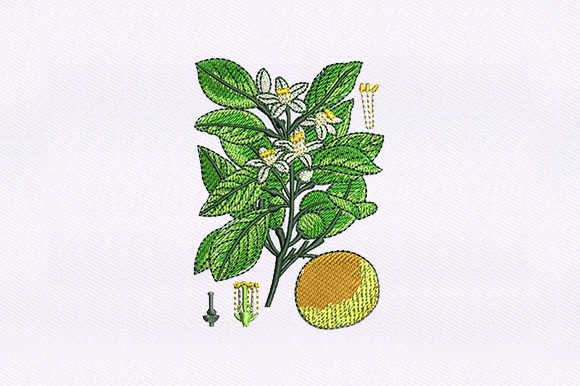
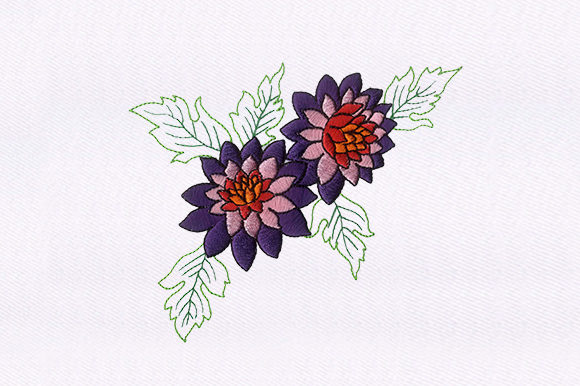
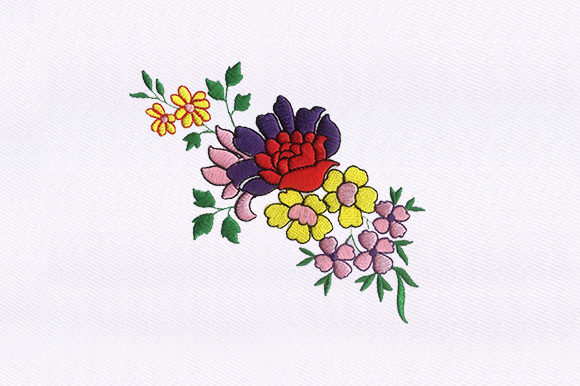
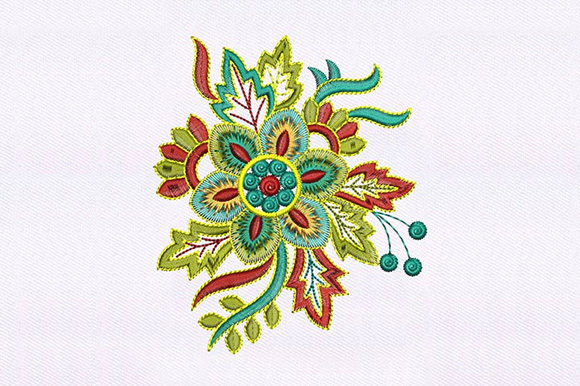
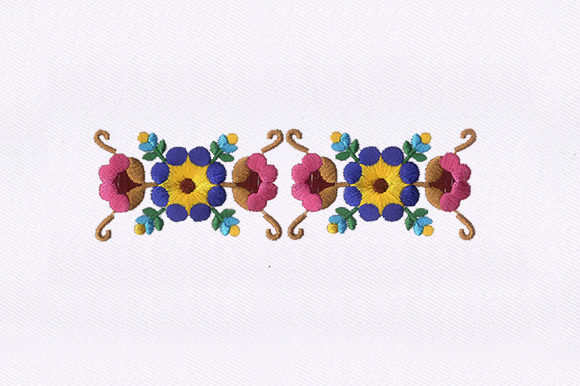
“Coordinated Flowers” lands with quiet confidence—not loud or trendy, but warmly intentional. It reads as soft modern farmhouse meets cheerful handmade charm. There’s no irony, no forced quirkiness—just clean floral energy that feels both approachable and polished. As an embroidery designer prepping for a weekend craft fair, that balance is gold. Customers scanning a crowded booth don’t pause for cryptic motifs or overly stylized abstractions. They stop for warmth, clarity, and color—and Coordinated Flowers delivers that at a glance.
Where It Shines: Booth-Ready Product Pairings
On a well-curated craft fair table, Coordinated Flowers becomes a visual anchor—not flashy, but deeply cohesive. Here’s where it truly earns its place:
- Tote bag design: Centered on natural canvas or oat-colored linen, it reads as elevated yet effortless—ideal for shoppers seeking “thoughtful gifting” or everyday elegance.
- Apron embroidery: Placed just above the pocket or subtly along the strap, it adds personality without competing with utility. Works beautifully on denim, cotton drill, or lightweight chambray.
- Tea towel embroidery: Small-scale placement near a corner or hem keeps it delicate and functional—perfect for kitchen-focused buyers who value handmade quality over mass-produced prints.
- Embroidered patch: With clean outer edges and balanced petal spacing, Coordinated Flowers translates cleanly to iron-on or sew-on patches—great for Etsy sellers bundling with kits or offering customization.
- Pillow cover & fabric pouch: Its organic flow suits curved surfaces and soft folds. Unlike rigid geometrics, it breathes with the fabric—enhancing, not fighting, texture.
What Makes It Sell: Practicality Meets Emotional Appeal
Coordinated Flowers works because it’s understandable. No decoding required. At 3–4 feet—the typical browsing distance at a market—it reads instantly as “flowers,” not “abstract filler.” That matters when your customer has 90 seconds to decide whether to pick up your tote bag or keep walking.
It photographs exceptionally well for Etsy listings and printable mockups: soft shadows, clear stitch definition, and natural color contrast make it pop against neutral backdrops. And because it’s part of the Single Flowers category, it pairs seamlessly with other botanical designs—ideal for small shop owners building cohesive design assets across product lines.
For batch production? Yes—it’s repeatable. Moderate stitch density means consistent results across machines, minimal thread breaks, and reliable hooping—even on mid-range embroidery units. No tiny lettering, no micro-details that vanish at 2.5 inches. Just confident, scalable floral rhythm.
Careful-Use Notes: When Clarity Needs Extra Attention
Like any strong machine embroidery design, Coordinated Flowers demands thoughtful execution—not limitations. Keep these in mind before cutting fabric:
- Dense stitch areas (like layered flower centers) may require tear-away + cut-away stabilizer combo on textured towels or thick denim.
- Curved cap surfaces demand precise digitizing alignment—test hoop placement on a scrap cap first; avoid placing stems directly over seams.
- Dark fabric? Confirm thread colors are vibrant enough—not all “fresh” palettes pop on charcoal or navy without contrast testing.
- Small sizes (<2”) risk losing petal definition. Stick to ≥2.75” for tea towels or patches unless the file includes a verified mini version.
- Always test on your exact fabric: brushed cotton, terry cloth, and canvas all behave differently under needle pressure.
Booth Impact & Buyer Engagement
In person, Coordinated Flowers elevates perceived value. It doesn’t scream “handmade”—it whispers intentionality. That subtlety builds trust. Buyers associate it with care, consistency, and quiet craftsmanship—not hobbyist randomness. On a shelf of generic florals, it stands out by feeling curated, not copied.
It also strengthens brand consistency. Whether you’re selling embroidered market bags in lavender linen or matching apron-and-towel sets in sage, Coordinated Flowers becomes your signature bloom—a recognizable thread across your entire handmade product lineup.
Designer-to-Designer Production Checklist
Before committing to 50 tote bags or listing on Etsy: do this, every time:
- Test the embroidery file on scrap fabric—same weight, same finish as your final product.
- Check thread contrast: hold stitched sample under natural light AND booth lighting (LEDs can mute tones).
- Review spacing: ensure petals aren’t crowding borders on small items like pouches or caps.
- Confirm hoop size compatibility—especially if using multi-position hoops for larger placements.
- Inspect stitch density visually: no skipped stitches, no thread nesting in tight curves.
- Use the right stabilizer for your fabric texture—don’t assume one type fits all.
- Create at least one real mockup: photograph it in context (e.g., tote on a wooden table, apron on a hook).
- Compare fabric colors side-by-side: ivory vs. off-white vs. ecru can shift how floral tones read.
- Verify commercial licensing—this is non-negotiable for any commercial embroidery or finished product sold publicly.
Final Thought: A Workhorse With Heart
Coordinated Flowers isn’t a novelty—it’s infrastructure. It’s the kind of digital embroidery file that quietly powers your best-selling craft fair product, supports your Etsy seller growth, and reinforces your reputation as a detail-oriented maker. It’s flexible enough for beginners but refined enough for seasoned pros. In a market flooded with loud trends, its calm freshness is its superpower. Stitch it thoughtfully, pair it intentionally, and let it do what it does best: connect people to handmade beauty—one petal at a time.