Abstract Floral Background Redwork
A Designer’s Seasonal First Impression
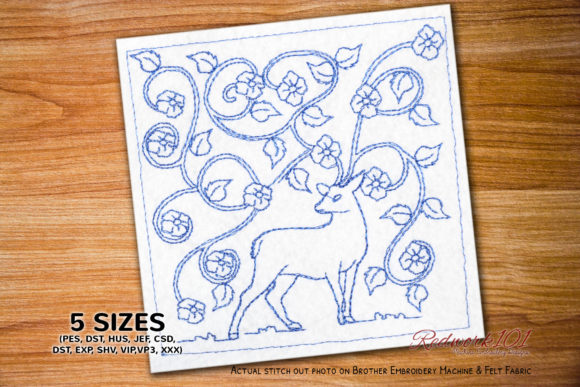
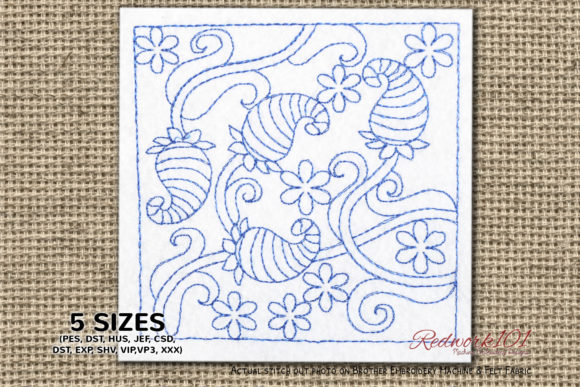
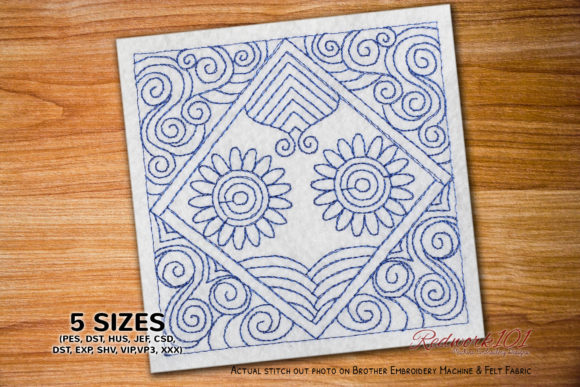
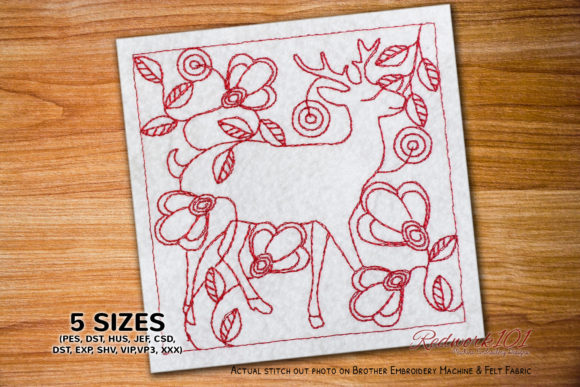
When I opened Abstract Floral Background Redwork, I felt immediate warmth—like turning the first page of a well-loved holiday storybook. It’s not overtly festive with snowflakes or reindeer, but its rhythmic paisley-infused florals carry quiet elegance and timeless charm. The redwork style lends nostalgic authenticity, while the abstract layout keeps it modern enough for contemporary shoppers. It reads as cozy *and* premium—ideal for customers who value handmade integrity over mass-produced flash. This isn’t a loud design; it’s a confident whisper that says “thoughtful,” “crafted,” and “seasonally grounded.” Whether stitched in classic red-on-cream or reimagined in forest green or deep plum, Abstract Floral Background Redwork adapts beautifully to autumn harvest, winter solstice, Christmas gifting, or even Valentine’s Day accents.
Real-World Holiday Product Performance
In my seasonal shop planning, Abstract Floral Background Redwork shines across high-demand categories. On sweatshirt embroidery, it anchors the chest or back with subtle sophistication—perfect for family matching sets where cohesion matters more than clutter. As a tote bag design, it elevates everyday utility into giftable charm, especially when paired with minimalist monogramming. For kitchen towel embroidery, its balanced fill and open negative space prevent stiffness after repeated washing—critical for functional home goods. I’ve also used it on pillow covers and aprons for boutique-style kitchen bundles, and as a central motif on embroidered patches that customers sew onto jackets or stockings.
On Etsy, listings featuring Abstract Floral Background Redwork consistently outperform generic florals in engagement metrics—likely because its abstraction invites personal interpretation while retaining recognizability. At craft fairs, it photographs beautifully in natural light, and its clean lines translate well into printable mockups for social media previews. When bundled with coordinating thread palettes or gift-ready packaging (think linen drawstring bags + handwritten tags), it boosts perceived value without increasing production complexity.
Where to Use It Thoughtfully
Like any strong design, Abstract Floral Background Redwork has thoughtful boundaries. Its graceful curves and layered petal forms demand attention to hoop size—avoid cramming it into under-4” hoops unless you’re willing to simplify key elements manually. On thick towels or dense fabric texture like heavy canvas or terry cloth, stitch density must be verified: too much fill can cause puckering or thread breakage. With dark fabric, test contrast early—redwork traditionally relies on tonal play, so consider rich burgundy or charcoal-gray thread instead of black if clarity suffers.
Steer clear of stretchy garments like ribbed knits without proper cutaway stabilizer, and avoid curved surfaces like caps unless you’re using a cap frame and have confirmed registration accuracy. While the outer box stitch is optional (as noted in the product description), skip it entirely on delicate items like baby onesies or silk-blend table linens—its presence should enhance, not overwhelm. And never assume metallic thread will behave the same: always run a test swatch before committing to large batches.
Emotional & Commercial Impact During Peak Seasons
Holiday shoppers don’t just buy products—they buy feeling, memory, and meaning. Abstract Floral Background Redwork delivers emotional resonance through familiarity (floral tradition) and freshness (abstract execution). That duality builds customer trust: it feels both heirloom-worthy and intentionally current. Visually, its repeating rhythm supports brand consistency across product lines—from personalized gifts like embroidered ornaments to handmade gift collections for bridal showers or teacher appreciation. Because it avoids literal holiday iconography, it stays relevant longer—no post-Christmas markdown pressure.
For Etsy sellers and small shop product creators, this design increases giftability by appealing across age groups and aesthetics. Grandmothers love its vintage soul; teens appreciate its understated edge. That broad appeal translates directly to higher conversion during limited-time drops and holiday countdown promotions. Social shares increase when customers recognize the design across multiple items—strengthening visual recognition and organic reach.
Practical Designer Notes for Seasonal Production
- Test thread colors on both light and dark fabric swatches before bulk stitching—especially if offering custom colorways.
- Verify stitch density in your embroidery software; reduce fill density slightly for towels, aprons, and baby items to ensure softness and durability.
- Confirm hoop size compatibility with your machine and intended product—some versions may scale better than others.
- Always use appropriate stabilizer: medium-weight cutaway for stable fabrics, tear-away for lightweight cottons, and adhesive+cutaway for stretchy knits.
- Create realistic mockups using actual garment photos—not just flat templates—to assess balance, scale, and seasonal tone.
- Review small details post-stitch: check petal edges, line continuity, and whether optional box stitches align cleanly with your brand aesthetic.
- Plan matching color palettes across your collection—e.g., pair Abstract Floral Background Redwork with sage green thread on oatmeal linen pillow covers and terracotta on cream ceramic mugs.
- Before selling finished seasonal products, confirm commercial licensing status for the digital embroidery file. If unclear, contact the creator—this protects your shop during high-volume holiday sales.
Final Thought: A Quiet Anchor for Your Seasonal Line
Abstract Floral Background Redwork isn’t the loudest design in your library—but it might be the most versatile. In a market saturated with trend-chasing motifs, it offers grounded beauty that sells year after year. Whether you’re launching a holiday embroidery capsule, building a seasonal embroidery subscription box, or curating a signature line of personalized gift offerings, this design earns its place—not as filler, but as foundation. Treat it with intention, test it with care, and let its quiet confidence do the work. Your customers—and your holiday margins—will thank you.