Floral Sewing Machine: A Thoughtful Embroidery Design for Meaningful Gifts
First Impressions: Sweet, Elegant, and Quietly Timeless
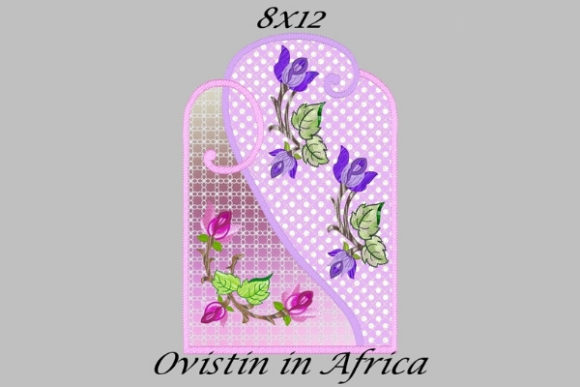
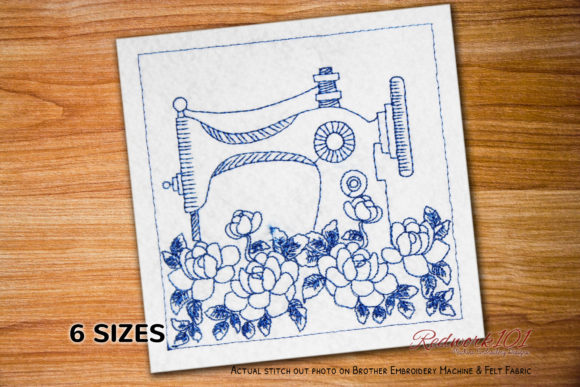
As an embroidery designer who’s tested hundreds of machine embroidery designs for personalized gift shops and Etsy sellers, I opened Floral Sewing Machine expecting charm—and was delighted by its quiet confidence. It doesn’t shout; it invites. The design balances botanical softness with subtle structure: delicate stems, rounded blossoms, and gentle curves that echo vintage sewing motifs without feeling dated. There’s no overwhelming density or sharp geometry—just a warm, handmade rhythm that reads as both romantic and grounded. It feels like a handwritten note stitched in thread: personal, intentional, and full of quiet care. That emotional resonance is exactly what makes a design stand out on a baby blanket, a wedding pillow cover, or a custom apron.
Where This Design Truly Shines
Floral Sewing Machine is built for storytelling—not just decoration. Its balanced scale and organic flow translate beautifully across high-impact personalized gift categories:
- Baby embroidery: Perfect for nursery wall hangings, muslin swaddle wraps (with stabilizer), or heirloom blanket corners—soft enough for tiny hands, meaningful enough for generations.
- Wedding gifts: Stitch it onto linen napkins, cotton tote bags for the bridal party, or a framed pillow cover for the couple’s first home. It whispers “thoughtful” rather than “trendy.”
- Personalized towels & kitchen linens: Works exceptionally well on medium-weight cotton towels—clear lines hold up after repeated washing, and the floral motif adds instant warmth to everyday utility.
- Pillow covers & aprons: The central composition anchors fabric beautifully without competing with texture or pattern. Ideal for small shop products where consistency and charm matter.
- Etsy listings & craft fair displays: Photographs elegantly against natural light and neutral backdrops. Buyers instantly recognize the handmade quality—even in digital mockups.
Use With Intention: Where to Pause and Plan
Like any strong embroidery file, Floral Sewing Machine rewards thoughtful application—not just automatic stitching. Here’s where attention matters most:
- Small lettering or fine details: The design includes subtle petal edges and stem tapering. If you’re adding names or dates nearby, test spacing and legibility at your intended size—especially on dense fabrics.
- Textured or thick fabrics: On heavy terry cloth or quilted blankets, consider reducing stitch density slightly or opting for a lightweight cutaway stabilizer to prevent puckering.
- Stretchy baby clothes: Not recommended for onesies or knit bodysuits unless paired with tear-away + topping stabilizer and reduced tension. Stick to stable cotton blends for best results.
- Curved surfaces (like mugs or curved tote handles): Avoid placing the full design across seams or curves—it’s designed for flat, stable embroidery fields.
- Dark fabric: The design relies on gentle contrast. On charcoal or navy, verify thread colors offer enough pop—especially in inner petals or stem highlights.
- Frequent-wash items: While the stitch density appears moderate, always pre-wash fabric and test durability on a scrap before committing to a finished product like a kitchen towel or baby bib.
Why It Elevates Your Personalized Gift Business
This isn’t just another embroidery file—it’s a trust-builder. When customers see Floral Sewing Machine on a custom tote or nursery keepsake, they don’t just register “pretty.” They sense intention, care, and craftsmanship. That perception directly lifts perceived value: buyers pay more for items that feel curated, not mass-produced. For Etsy sellers and small shop owners, it supports stronger product photography—its balanced shape and clear negative space make for clean, scroll-stopping images. And because it avoids seasonal clichés (no pumpkins, no snowflakes), it stays relevant year-round—ideal for evergreen listings and holiday-agnostic gifting.
Practical Embroidery Notes Before You Stitch
Before sending Floral Sewing Machine to your hoop, run through this quick checklist:
- Test on scrap fabric matching your final product’s weight and weave—even if you’ve used the design before.
- Check thread color contrast on both light and dark fabric swatches. Subtle variations in bloom shading can disappear without enough tonal separation.
- Confirm hoop size compatibility. While the design appears scalable, verify the largest version fits comfortably within your standard hoop without re-hooping mid-stitch.
- Review stitch density visually—not just numerically. Dense fill areas should look lush, not muddy; open spaces should remain breathable.
- Match stabilizer to end use: Lightweight tear-away for linens, cutaway for stretchy or unstable fabrics, and topping for napped or textured surfaces.
- Compare light/dark fabric mockups side-by-side before approving a listing image or client proof.
- Inspect small details post-stitch: Petal tips, stem ends, and inner flourishes should be crisp—not frayed or flattened.
- Verify commercial licensing before selling finished products. Since the description notes “The Box Stitch shown in the picture is optional,” confirm whether the outer box element is part of the licensed embroidery file—or a separate graphic layer.
A Design That Grows With Your Shop
Floral Sewing Machine is more than a machine embroidery design—it’s a versatile visual anchor for brands rooted in warmth, memory, and making. Whether you’re embroidering a single baby blanket for a local client or building a cohesive Etsy collection around handmade gifting, it delivers consistent elegance without demanding perfection. It’s forgiving enough for newer crafters yet refined enough to satisfy discerning buyers. And in a market flooded with generic florals, its gentle nod to sewing heritage—stitched, not printed—makes every finished product feel quietly special. That’s not just embroidery. That’s connection, stitched one bloom at a time.